
Furniture Restoration in London
Antique and vintage furniture restored in our Central London workshop.
Free, no-obligation quote. We review enquiries within 24–48 hours.
By Muthana, Master Upholsterer
Old furniture was built properly. When a good piece starts to fail, it usually needs careful repair rather than replacement. We restore antique and vintage furniture to full working order, preserving the original character and craftsmanship.
Kennington Upholstery restores antique and vintage furniture in Central London, covering frame repair, regluing, spring replacement, woodworm treatment, and French polishing. The workshop handles Victorian, Edwardian, Georgian, Art Deco, and mid-century pieces. Restoration projects typically take four to eight weeks depending on the extent of structural and upholstery work required.
Compare the broader services hub if you want to weigh restoration against reupholstery or repair.
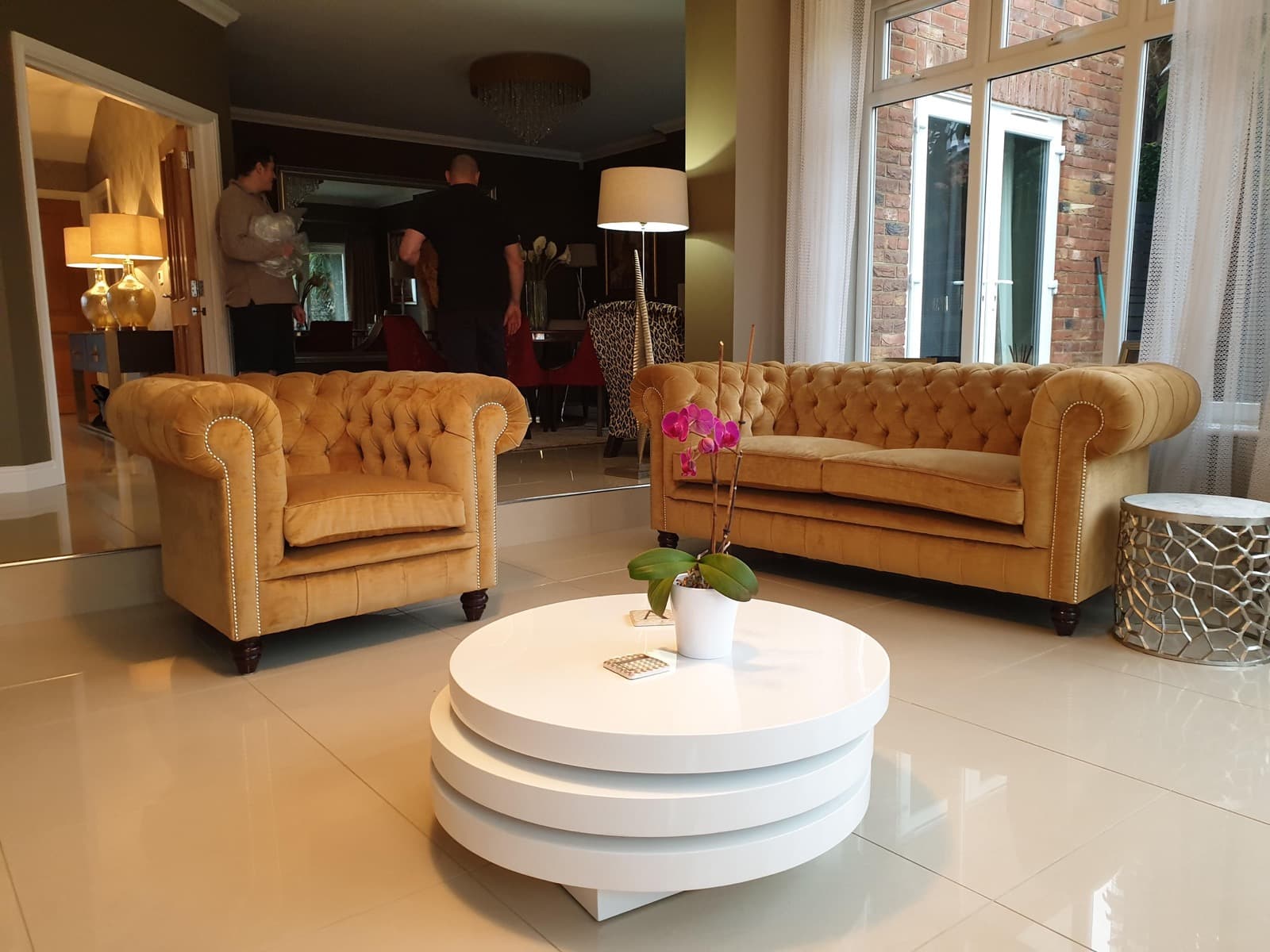
Restoration and reupholstery are related but different. Reupholstery deals with the soft furnishing side: padding, springs, fabric. Restoration goes deeper. It covers the frame itself, the woodwork, the structural joints, and the finish. Many pieces need both, and we handle the full scope of work in our workshop.
A restored piece should look right for its age. We do not try to make antique furniture look new. The aim is to make it solid, comfortable, and beautiful while keeping the patina and character that come with decades or centuries of use. Where we replace timber, we match the species and grain as closely as possible. Where we refinish, we use techniques appropriate to the period.
We work with Victorian, Edwardian, Georgian, Art Deco, and mid-century pieces regularly. Each era has its own construction methods, materials, and design language. A Victorian balloon-back chair is built nothing like a 1950s cocktail chair, and restoring each one requires specific knowledge. Our team understands these differences.
Common Restoration Needs
Furniture fails in predictable ways. Knowing what to look for can help you decide when a piece needs professional attention rather than another year of hoping it holds together.
Collapsed seats. This is the most common problem we see. The webbing underneath the seat stretches and sags over time, the springs lose tension, and eventually you are sitting on the frame. The fix involves stripping the seat, fitting new webbing, re-tying or replacing the springs, and rebuilding the stuffing from scratch.
Loose and broken joints. Chairs take enormous stress at the joints, particularly where the back legs meet the seat rail. Years of rocking back on two legs (everyone does it) works the glue loose. We disassemble the affected joints, clean out the old adhesive, and reglue with proper clamping pressure. If a tenon has snapped, we cut a new one.
Broken springs. Double-cone springs can snap after decades of use, especially in heavy seats. A broken spring pokes through the padding and makes the seat uncomfortable. We replace individual springs or the full set depending on the condition of the rest.
Woodworm damage. Active woodworm leaves small round exit holes and fine dust. Left untreated, it weakens the timber until structural members fail. We treat the infestation, assess the damage, and reinforce or replace affected sections. Minor woodworm is cosmetic. Severe woodworm in a load-bearing rail needs new timber.
Damaged or worn finishes. Scratched French polish, flaking lacquer, water rings, and sun bleaching are all fixable. We strip, sand, stain, and refinish exposed woodwork to match the original as closely as possible.
The Restoration Process
Every restoration starts with an assessment. We look at the piece in person wherever possible, checking the frame, joints, finish, and upholstery. Some problems are obvious. Others only become clear once the old covering comes off. We give you an honest appraisal of what is needed and what it will cost.
Structural work comes first. We disassemble any failing joints, clean out old glue, and reassemble with fresh adhesive and proper clamping. Cracked or split rails are spliced with matching timber. Corner blocks are replaced if they have worked loose. The frame must be completely rigid before we move on.
Woodwork and finishing. If the piece has show-wood (visible timber), we address scratches, dents, and finish damage at this stage. Minor marks can be touched up. More significant damage may need stripping and refinishing. We use shellac-based French polish for period pieces and more modern finishes where appropriate.
Upholstery rebuild. With the frame solid and the woodwork done, we rebuild the upholstery. For period-correct restorations, this means traditional materials: hessian, jute webbing, double-cone springs lashed with laid cord, horsehair or coir fibre stuffing, a cotton felt overlay, and calico before the top cover. We hand-stitch edge rolls and regulate the stuffing for an even profile.
Top covering. The final fabric or leather is fitted. On antique pieces, we often discuss fabric choice carefully. A Victorian chair looks wrong in a modern geometric print, and a mid-century piece looks odd in a heavy damask. We have access to over 8,000 fabrics and 200+ leathers from suppliers including Warwick, and we are happy to help you find something that suits the piece and your room.
Types of Pieces We Restore
Victorian and Edwardian. Balloon-back dining chairs, button-back armchairs, chaise longues, nursing chairs, and Chesterfield sofas. These pieces were built with beech or birch frames, traditional springing, and horsehair stuffing. We restore them using the same methods and materials.
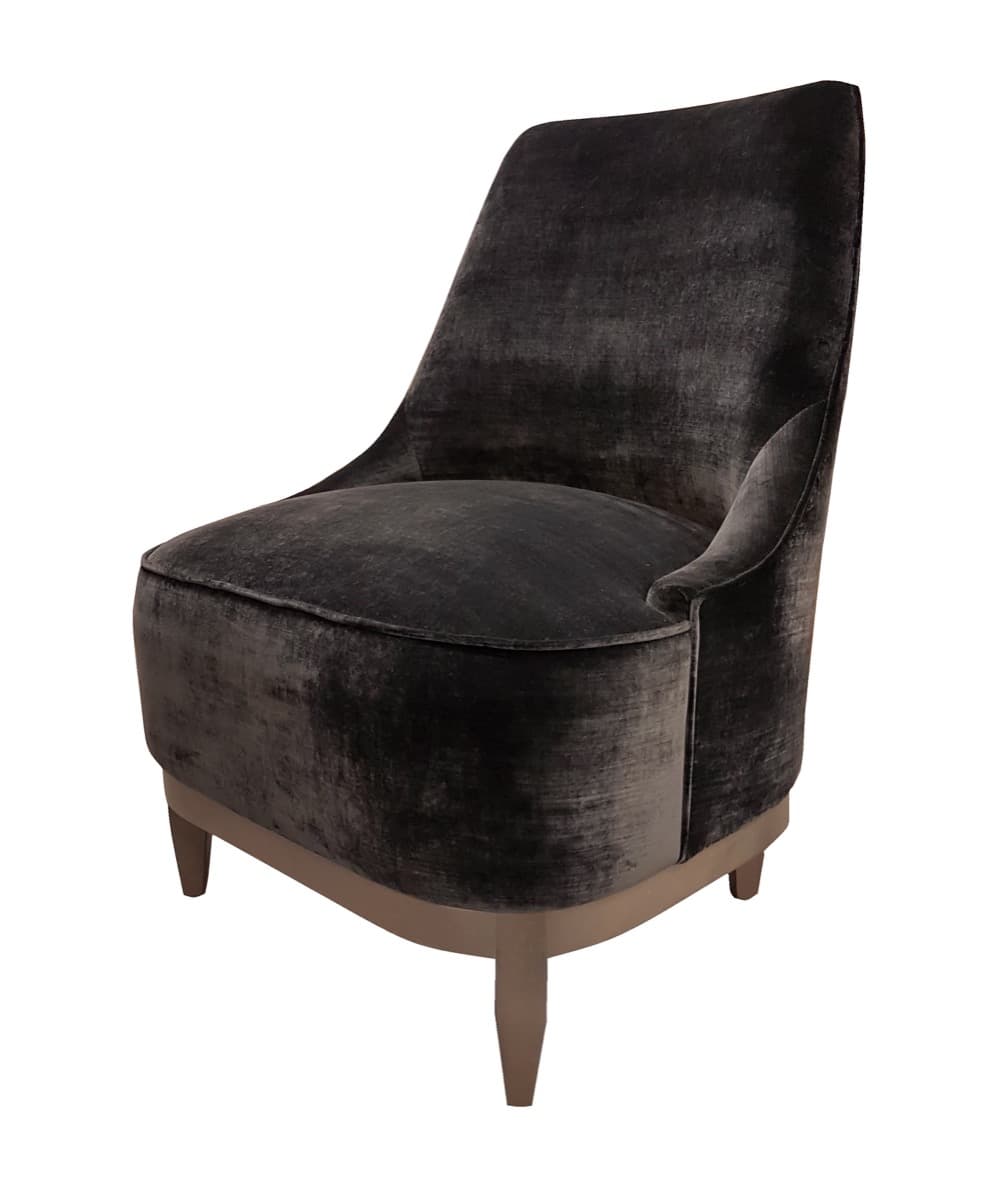
Art Deco. Club chairs, curved-back sofas, and cocktail chairs from the 1920s and 1930s. These often have distinctive shapes that require careful re-stuffing to maintain the original silhouette. The timber is typically walnut or mahogany with a high-gloss finish.
Mid-century modern. Danish armchairs, teak-framed lounge chairs, and minimal Scandinavian designs from the 1950s and 1960s. These pieces are prized for their clean lines and tend to use foam padding over webbing rather than traditional springing. Frame repairs often involve teak or rosewood, which need specific finishing techniques.
We also handle later pieces that have sentimental or design value. If it matters to you, it matters to us. We have restored everything from Georgian wing chairs to 1980s Italian leather sofas.
Lead Times and What to Expect
Restoration work typically takes four to eight weeks depending on the scope. Straightforward jobs, such as regluing a set of dining chairs, can be faster. Complex projects involving extensive frame repair, woodworm treatment, refinishing, and full reupholstery will be at the longer end.
We arrange collection from your home at a time that works for you. Before we arrive, clear a path to the piece and remove anything stored on or inside it. If the piece is particularly fragile, let us know in advance so we can bring the right protective materials.
We contact you once the strip-down is complete to report on the condition of the frame and confirm the full scope of work. If we find anything unexpected, we discuss it before proceeding. You will not receive a surprise bill. We also undertake insurance restoration work and can provide detailed reports and valuations for insurers.
If you have a piece that needs attention, get in touch. Send us photos and a description, and we will give you an honest assessment of what is involved.
Frequently Asked Questions
What does furniture restoration involve?▼
Restoration covers the structural and cosmetic repair of furniture frames. This includes disassembling and regluing loose joints, splicing or replacing cracked rails, treating woodworm, refinishing exposed woodwork with French polish or period-appropriate finishes, and rebuilding the upholstery using traditional materials where appropriate.
Can you restore both antique and modern furniture?▼
Yes, we restore furniture from all periods. We regularly work with Victorian, Edwardian, Georgian, Art Deco, and mid-century modern pieces. Each era has its own construction methods and materials, and we use techniques appropriate to the period. We also handle later pieces that have sentimental or design value.
How much does furniture restoration cost?▼
Restoration costs vary depending on the extent of structural work, woodworm treatment, refinishing, and upholstery rebuild required. We assess each piece individually and provide a detailed quote before starting. Send us photos and a description for a free, honest assessment of what is involved.
How long does a restoration project take?▼
Restoration work typically takes four to eight weeks depending on the scope. Straightforward jobs such as regluing a set of dining chairs can be faster. Complex projects involving extensive frame repair, woodworm treatment, refinishing, and full reupholstery will be at the longer end.
How can I tell if my furniture is worth restoring?▼
Furniture with solid hardwood frames and proper joinery is almost always worth restoring. Press on the arms and frame: if it feels rigid and sturdy, the bones are good. Antique and vintage pieces with quality construction were built to last generations. We are honest in our assessments and will tell you if a piece is not worth the investment.
What types of restoration work do you carry out?▼
We handle collapsed seat rebuilds with new webbing, springs, and stuffing. We repair loose and broken joints, replace springs, treat woodworm and reinforce damaged timber, and repair or refinish damaged surfaces including French polishing. Many pieces need both structural restoration and reupholstery, and we handle the full scope of work in our workshop.