
Cushions
From foam replacement and feather refills to fully bespoke cushion design, we craft cushions that look beautiful and feel exactly right.
Kennington Upholstery makes and refills cushions in Central London, including seat cushions, scatter cushions, window seat pads, and bench cushions. Foam replacement starts from £85, scatter cushions from £45, and feather wrap cushions from £120. The workshop uses high-resilience foam at 35 kg/m3 density for seat cushions and offers duck down, goose down, and foam/feather combinations.
If you are still comparing options, browse the services hub for the full range of upholstery work we handle.
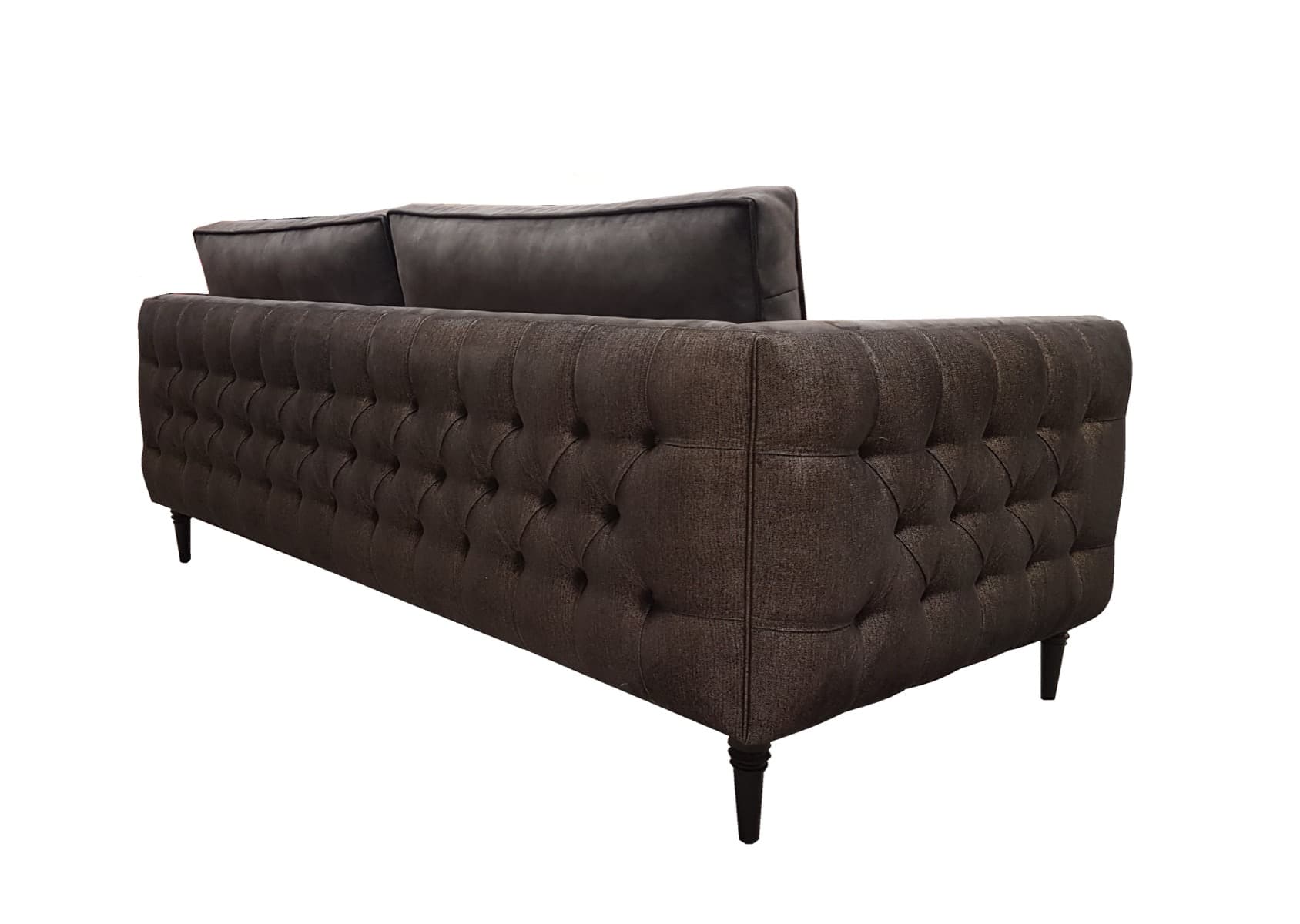
Cushions are the hardest-working part of any upholstered piece. They take the most wear, lose their shape first, and have the biggest impact on how comfortable your sofa actually feels. A beautiful sofa with flat, lifeless cushions is not a sofa anyone wants to sit on.
We replace cushion fillings, rebuild cushions from scratch, and make new cushions to any size or shape. Sofa seats, sofa backs, scatter cushions, window seats, bench pads, bay window cushions, boat cushions, caravan seating. If it needs a cushion, we can make it.
Every cushion is cut and sewn in our Central London workshop. We template each piece individually, because even mass-produced sofas are rarely perfectly square after a few years of use. A cushion that fits properly sits flat, fills the space, and does not ride up or shift around. Getting the template right is most of the work.
Foam Types Explained
Most seat cushions use foam as the primary filling, but not all foam is the same. The type you choose affects how firm the cushion feels, how long it keeps its shape, and how much it costs. Here is a plain-English guide to the main options.
Standard polyurethane foam is the most common and most affordable option. It comes in a range of firmness grades and works perfectly well for scatter cushions, back cushions, and occasional seating. For everyday sofa seats that get heavy use, it will compress over time and may need replacing every three to five years.
High-resilience foam, often called HR foam, is a step up. It bounces back faster when you stand up, holds its shape longer, and feels more responsive under you. This is what we recommend for main sofa seat cushions in most households. It costs more than standard foam but lasts significantly longer, typically seven to ten years of daily use before it starts to soften noticeably.
Reflex foam is a denser, firmer option used where strong support is needed. It is common in seat cushions for people who prefer a firm sit, and it works well in dining chairs and bench seats where you want minimal compression. It is also used as a base layer under softer foam in combination builds.
Memory foam conforms closely to your body shape and distributes weight evenly. It has a slow, sinking feel rather than a springy bounce. Some people love it. Others find it too warm or too slow to recover its shape. We sometimes use a thin layer of memory foam on top of HR foam for a cushion that is supportive underneath but soft on the surface.
Natural latex foam is the premium option. It is made from rubber tree sap, is naturally hypoallergenic and antimicrobial, and has excellent resilience. Latex feels buoyant and responsive. It lasts a very long time, often fifteen years or more, and it is the most breathable foam available. The cost is higher than synthetic foams, but for anyone with allergies or a preference for natural materials, it is worth considering.
Foam Density and What It Means
Foam density is measured in kilograms per cubic metre (kg/m3). It tells you how much material is packed into the foam, which directly affects durability. Density is not the same as firmness. A high-density foam can be soft or firm depending on how it is made.
For sofa seat cushions, we recommend a minimum density of 30 to 35 kg/m3. Below that, the foam will compress too quickly under regular use. For a longer-lasting cushion, 35 to 40 kg/m3 is ideal. Above 40 kg/m3, you are into very dense, very durable foams suited to commercial seating or heavy-use domestic furniture.
Back cushions and scatter cushions do not need to be as dense, since they bear less weight. A density of 20 to 28 kg/m3 is usually fine for these.
Feather and Down Options
For a softer, more traditional feel, feather and down fillings are hard to beat. They offer a plush, sink-in comfort that foam cannot replicate.
Duck down is the most common and most affordable natural filling. It is light, soft, and insulates well. Duck feather is stiffer and provides more support than pure down. Most feather cushions use a blend of the two, with a higher proportion of feather for support and enough down for softness.
Goose down is larger and loftier than duck down, which means it traps more air and feels softer and lighter. Goose feather and down blends are the luxury choice for full-feather cushions. They cost more, but the difference in feel is noticeable.
The main thing to know about feather and down cushions is that they need regular plumping. Every day, ideally. They settle and flatten with use, and a quick shake and plump brings them back to life. If you do not want that maintenance, feather filling is probably not for you. But for people who enjoy a relaxed, lived-in look and do not mind a quick daily plump, natural feather cushions are wonderful.
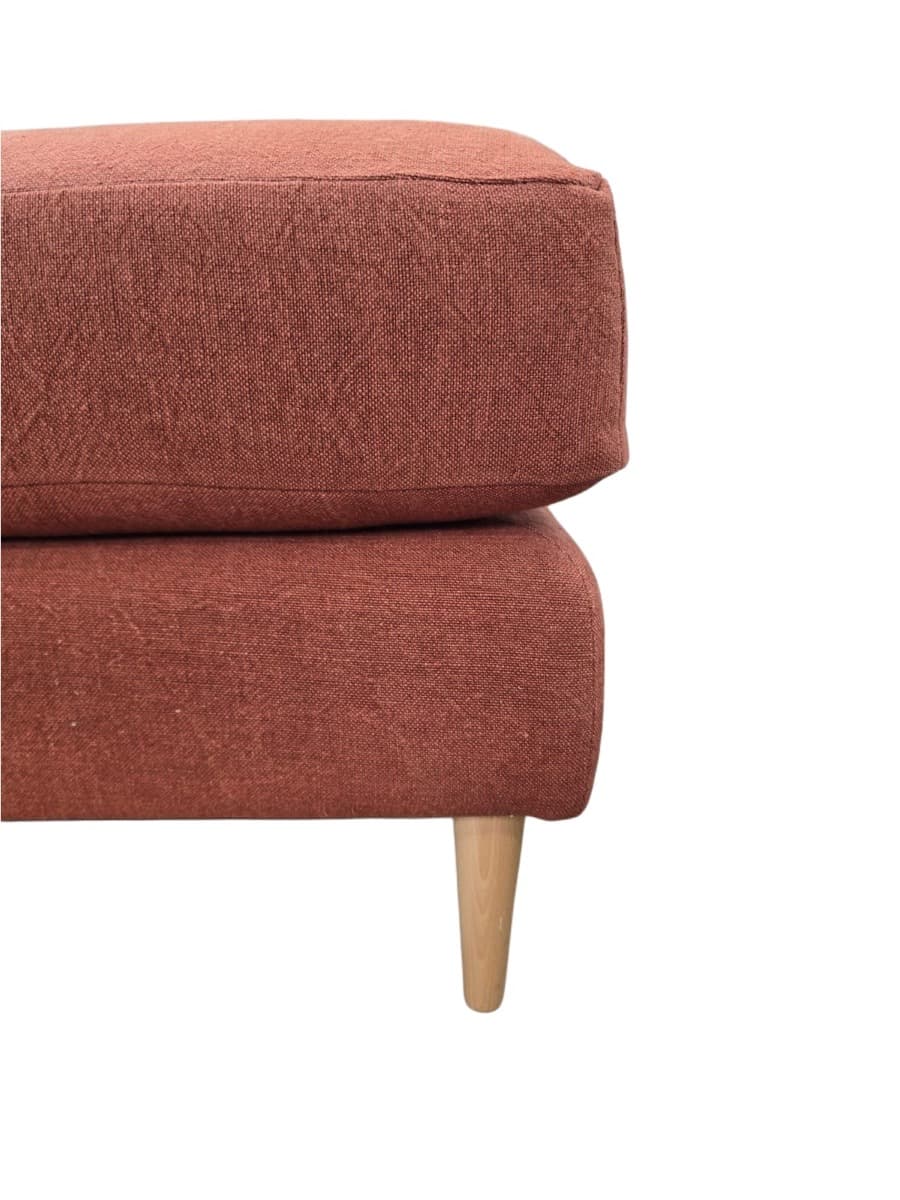
Feather Wrap Cushions
This is the best of both worlds. A feather wrap cushion has a foam core at the centre, surrounded by a generous casing of feather and down. The foam provides structure and support, so the cushion does not bottom out or go completely flat. The feather outer gives that soft, luxurious surface feel and the plump, slightly rumpled look that people associate with high-end sofas.
Feather wraps still benefit from occasional plumping, but they are much more forgiving than pure feather cushions. The foam core does most of the structural work, so even if you skip a day or two of plumping, the cushion holds a reasonable shape.
We can make feather wraps with different foam densities at the core, so you can tune the balance between firm support and soft comfort. A firmer core suits people who want a cushion that holds them up. A softer core suits people who want to sink in more.
How to Measure for Replacement Cushions
If you are replacing existing cushions, the simplest approach is to send us the old ones. We template from the originals and match the size exactly. But if the old cushions are too far gone or you have already thrown them away, you can measure the seat frame directly.
Measure the width across the front of the seat, the width across the back (these are often different on sofas with angled arms), and the depth from front to back. Measure the current cushion height if you still have one, or tell us how thick you want the new cushion to be. For sofa seats, 10 to 15cm thick is typical.
Take photos of the empty seat frame from above and from the front. This helps us see any curves, angles, or irregularities that the measurements alone might not capture. Send these along with your dimensions when you request a quote.
Window Seat and Bench Cushions
Window seats, bay windows, bench seating, and banquette cushions all need to be made to measure. These are rarely standard shapes. Bay windows curve. Window seats have radiator pipes in the way. Benches taper or have rounded ends.
For these, we make a paper or card template of the exact shape, either on site or from a template you post to us. We then cut the foam and fabric to match. Box cushions with piped edges are the most popular choice for window seats, as they hold their shape and look neat. Thickness is usually 5 to 10cm for window seats and 8 to 12cm for bench seating, depending on how much padding you want.
If you need ties or Velcro strips to keep the cushion in place, we build those in. For outdoor bench cushions, we use water-resistant fabrics and quick-dry foams rated for exterior use.
Indicative Pricing
Cushion pricing depends on size, filling type, and fabric choice. Here is a general guide.
Scatter Cushions
From £45
Seat Cushion Refill (foam)
From £85
Feather Wrap Cushion
From £120
Window seat, bench, and custom-shaped cushions are priced individually. Request a free quote with your dimensions for an exact price.