
Sofa & Furniture Repair in London
By Muthana, Master Upholsterer
From broken springs to torn fabric, we repair all types of upholstered furniture to extend its lifespan and save you the cost of replacement.
Kennington Upholstery offers furniture repairs in Central London, including spring replacement, foam refilling, fabric patching, frame regluing, and leather restoration. Simple repairs typically take three to five working days. Repair costs range from £150 to £400 depending on the work, compared to £800 to £1,500 for full reupholstery.
Need the broad overview first? Browse the services hub before deciding whether repair or a full rebuild is the better fit.
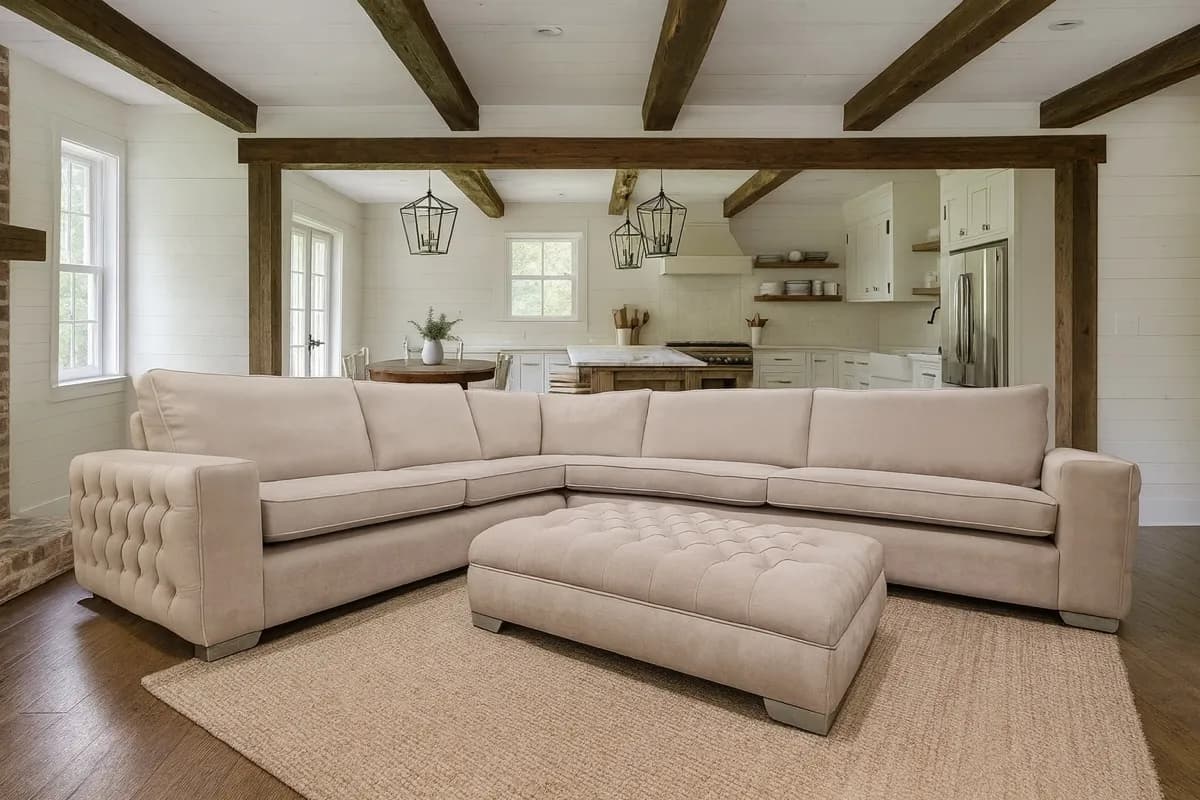
Not every piece of furniture needs a full reupholstery. Often, a targeted repair is all that is needed to bring a sofa, chair, or stool back to full working order. We see the same handful of problems week after week, and most of them are straightforward to fix once you know what you are looking at.
A good repair costs a fraction of a new piece and a fraction of a full reupholstery. If the frame is sound and the cover is still in decent condition, there is usually no reason to strip everything back. We will always tell you honestly what needs doing and what does not.
Common Repairs We Handle
Sagging Seats and Broken Springs
This is the single most common repair we carry out. You sit down and you sink too far. The seat feels soft in the middle and firm at the edges. Nine times out of ten, the cause is either broken coil springs, stretched serpentine (zig-zag) springs, or perished elasticated webbing underneath the seat.
For traditional furniture with coil springs, we strip back the seat, replace or re-tie the broken springs using an eight-way hand-tied method, and re-web the base with proper jute webbing. For modern pieces with serpentine springs, we clip in new springs and secure them with fresh mounting clips. The whole job typically takes one to three days depending on the size of the piece.
Worn-Out Foam and Flat Cushions
Polyurethane foam has a lifespan. Standard grade foam in a sofa used daily will start to lose its shape after about five years. Higher density foams last longer, but nothing lasts forever. When cushions go flat or develop a permanent dip where you usually sit, the foam needs replacing.
We cut new foam to the exact dimensions of your cushions using the correct density for the application. Seat cushions need a firmer, higher-density foam (typically 35 kg/m3 or above) while back cushions work better with a softer grade. We can also add a layer of stockinette or dacron wrap over the foam, which gives a smoother finish under the fabric and helps the cushion slide back into the cover more easily.
Torn Fabric and Split Seams
Fabric tears along arms and on the front edge of seats where it takes the most friction. Sometimes we can patch a tear invisibly if it is in a seam line or a hidden area. Other times, a section of the cover needs replacing. If the fabric is discontinued, we can often source a close match or use a contrasting fabric on the affected panel, which can actually look quite intentional.
Split seams are usually quicker to fix. We re-stitch using an industrial walking-foot machine with heavy-duty upholstery thread. If the seam has pulled because the fabric has weakened around it, we reinforce the area with a backing strip before re-sewing.
Wobbly Frames and Loose Joints
A rocking chair that rocks the wrong way is not charming. Loose frame joints are common in older dining chairs, especially where the legs meet the seat rail. We disassemble the affected joints, clean out the old glue, and re-glue with proper wood adhesive, clamping the frame square while it sets. If a dowel or mortise has worn loose, we drill it out and fit a new, slightly oversized dowel for a tight joint.
For more serious frame damage, such as a cracked rail or a broken leg, we splice in new timber and reinforce with corner blocks or steel brackets where needed. We do not do fine furniture restoration or French polishing, but structural frame repair is well within our scope.
Leather Repair
Leather furniture needs specific expertise. The repair approach depends entirely on the type of leather. Most modern sofas use pigmented (also called protected or painted) leather, which has a coloured coating on the surface. This type responds well to colour repair. We clean the area, apply a flexible filler to any cracks or scratches, sand it smooth, then re-colour using a matched leather dye and seal it with a topcoat. The result is hard to spot unless you know where to look.
Aniline and semi-aniline leathers are more delicate. These have little or no surface coating, so the colour goes right through the hide. Scratches and wear show more easily, and repairs need a lighter touch. We can improve the appearance of worn aniline leather with specialist conditioners and careful re-colouring, but we will be upfront about what is achievable. Some patina is part of the character of aniline leather, and over-restoring it looks worse than leaving well alone.
For peeling and flaking leather (common on bonded leather and cheaper bicast leather), we will usually recommend reupholstering rather than repairing. Once bonded leather starts to peel, it does not stop. Patching it is a temporary fix at best. We would rather tell you that honestly than charge you for a repair that will not hold.

Cushion Refilling and Reshaping
Cushion refills do not always mean new foam. Sometimes the internal structure just needs attention. Feather-filled cushions lose volume as the feathers compress and migrate. We can open the cushion, add new duck or goose feather, redistribute the fill, and stitch the inner casing closed again. If the feather channelling has broken down, we make new inner pads from feather-proof cambric.
For foam and fibre combination cushions, which are very common in mid-range sofas, we replace the foam core and add a fresh fibre wrap. This gives you back that plump, rounded look without the firmness of foam alone. We stock a range of foam densities and can adjust the feel to your preference. If you find your current cushions too firm or too soft, a refill is a good opportunity to change that.
When to Repair and When to Reupholster
The honest answer depends on the condition of the frame, the state of the cover, and your budget. As a rough guide: if the frame is solid, the springs or webbing are the main problem, and the fabric still has life in it, a repair makes perfect sense. You might spend between 150 and 400 pounds to fix the internals of a sofa, compared to 800 to 1,500 pounds or more for a full reupholstery.
On the other hand, if the fabric is worn through in several places, the foam is flat, and the springs are gone, individual repairs start to stack up. At a certain point, a full reupholstery is more economical because we are stripping everything back anyway. We will always give you an honest breakdown of the costs either way, so you can make an informed decision.
One thing worth mentioning: repair is almost always the right first step for sentimental pieces. If you have inherited a chair and you want to keep the original fabric because it means something to you, we can work around it. Repair the internals, leave the cover intact where possible, and only intervene where we have to.
The Repair Process and Turnaround
Start by sending us some photos through our quote form or by email. Clear pictures of the damage, plus a shot of the whole piece, are usually enough for us to give you a ballpark figure. For anything more involved, we will arrange to see the piece in person, either at your home or at our Gower Mews workshop near Tottenham Court Road.
Most straightforward repairs, such as a spring fix, cushion refill, or seam repair, are completed within three to five working days once the piece is in our workshop. More complex jobs involving frame repair combined with internal rebuilds may take one to two weeks. We will always give you a timeframe before we start, and we will let you know if anything changes.
We offer collection and delivery across Central London. For smaller items like dining chairs and stools, you are welcome to drop them off at the workshop directly.
Frequently Asked Questions
What are the most common furniture repairs?▼
The most common repairs we carry out are sagging seats caused by broken springs or stretched webbing, worn-out foam and flat cushions, torn fabric and split seams, and wobbly frames with loose joints. We also handle zip and mechanism replacement, leather colour restoration, and cushion reshaping with dacron wrapping.
How much does furniture repair cost compared to reupholstery?▼
A targeted repair typically costs between £150 and £400, compared to £800 to £1,500 or more for a full reupholstery. If the frame is sound and the cover still has life in it, a repair is often the most cost-effective option. We always give you an honest breakdown of costs so you can make an informed decision.
How long does a furniture repair take?▼
Most straightforward repairs such as a spring fix, cushion refill, or seam repair are completed within three to five working days once the piece is in our workshop. More complex jobs involving frame repair combined with internal rebuilds may take one to two weeks. We give you a clear timeframe before starting.
When should I repair furniture rather than reupholster it?▼
If the frame is solid, the springs or webbing are the main problem, and the fabric still has life in it, a repair makes perfect sense. If the fabric is worn through in several places, the foam is flat, and the springs are gone, a full reupholstery may be more economical since everything needs stripping back anyway. We will advise you honestly either way.
Can you repair leather furniture?▼
Yes, we repair pigmented leather by cleaning, filling cracks or scratches, re-colouring with matched dye, and sealing with a topcoat. Aniline and semi-aniline leathers need a lighter touch and we will be upfront about what is achievable. For peeling bonded leather, we usually recommend reupholstering rather than patching, as bonded leather does not stop peeling once it starts.
Can you refill sofa cushions without reupholstering?▼
Yes, cushion refills are one of our most common repairs. We replace foam cores with the correct density for your cushion type, add dacron wrap for a smoother finish, and can adjust firmness to your preference. For feather cushions, we can add new fill and restitch the inner casing. This restores the plump look without the cost of full reupholstery.
Do you collect furniture for repair?▼
Yes, we offer collection and delivery across Central London. For smaller items like dining chairs and stools, you are welcome to drop them off at our workshop directly. Start by sending photos through our quote form or by email for an initial assessment.